Research
We are living in a vast ocean of data. As cognitive beings, we continually seek to derive meaning from the information we encounter — identifying patterns, forming abstractions, and constructing narratives that help us navigate an increasingly complex world.
My research asks a simple yet far-reaching question: how do coherent structures emerge from many interacting components without central control? From material organisation and communication networks to embodied human experience, I investigate how local interactions give rise to collective patterns, adaptive behaviours, and shared meaning.
Beginning with my PhD work on geometry-driven hyperuniformity, I became interested in how remarkably simple generative rules can produce striking forms of collective order. More recently, I have extended this perspective to information systems mediated by generative AI, where feedback, adaptation, and communication continually reshape how knowledge is created, circulated, and transformed. Alongside these computational studies, I am exploring embodied complexity through interactive experiences, such as Musical Allostasis, which invites participants to experience self-organisation and collective dynamics through collaborative music-making, with feedback and feedforward anticipation shaping how the group adapts over time.
Across these domains, I combine ideas from complexity science, cybernetics, and topology to uncover organisational principles that transcend individual systems. Rather than studying any single application in isolation, I seek recurring structures and mechanisms that reveal how complex systems organise, adapt, and remain resilient across diverse domains.
Research themes
Click on each research theme below to find more details.
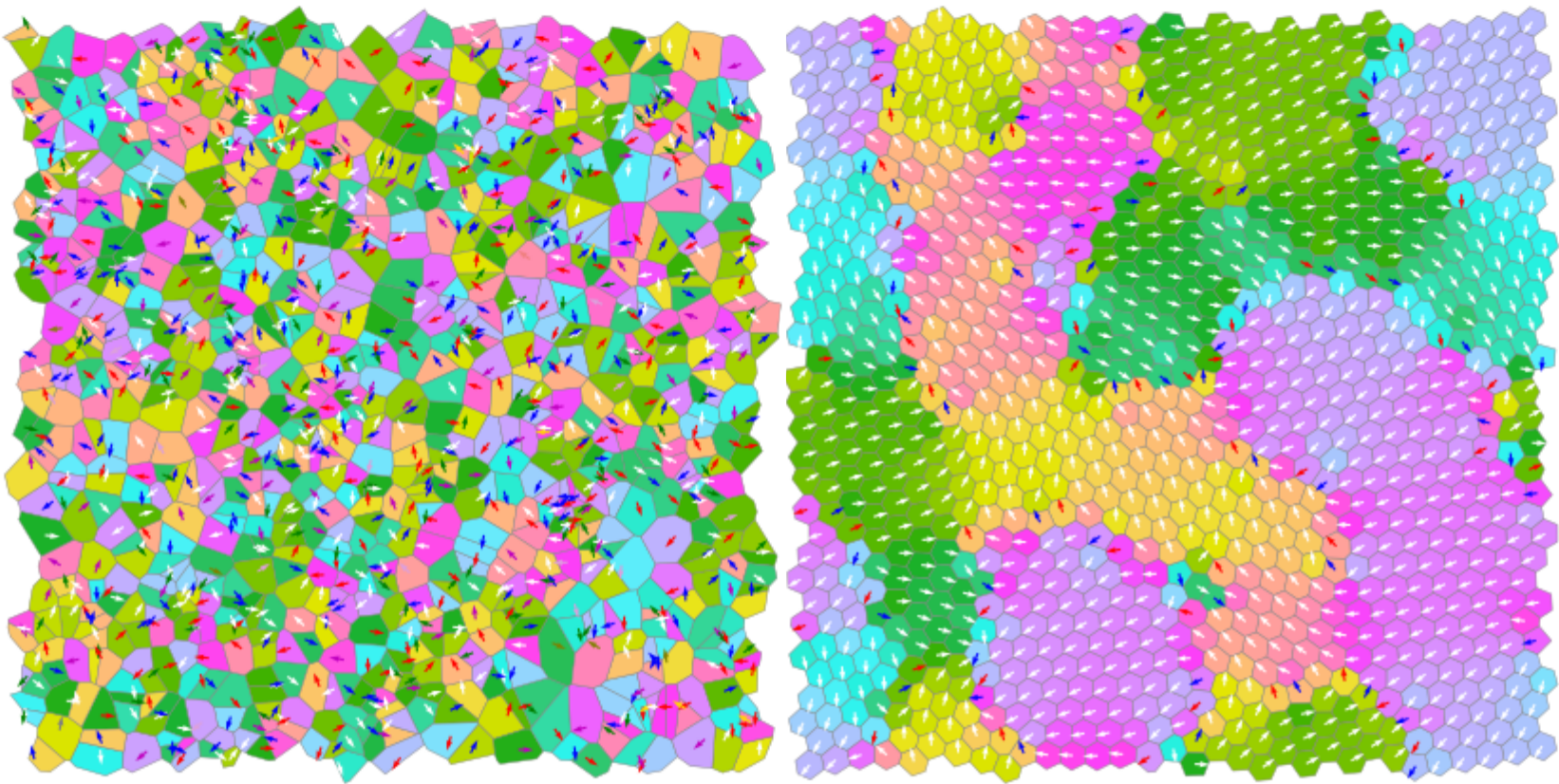
Order, Disorder and In-between
How simple local interactions generate spatial organisation and reveal universal principles of pattern formation.
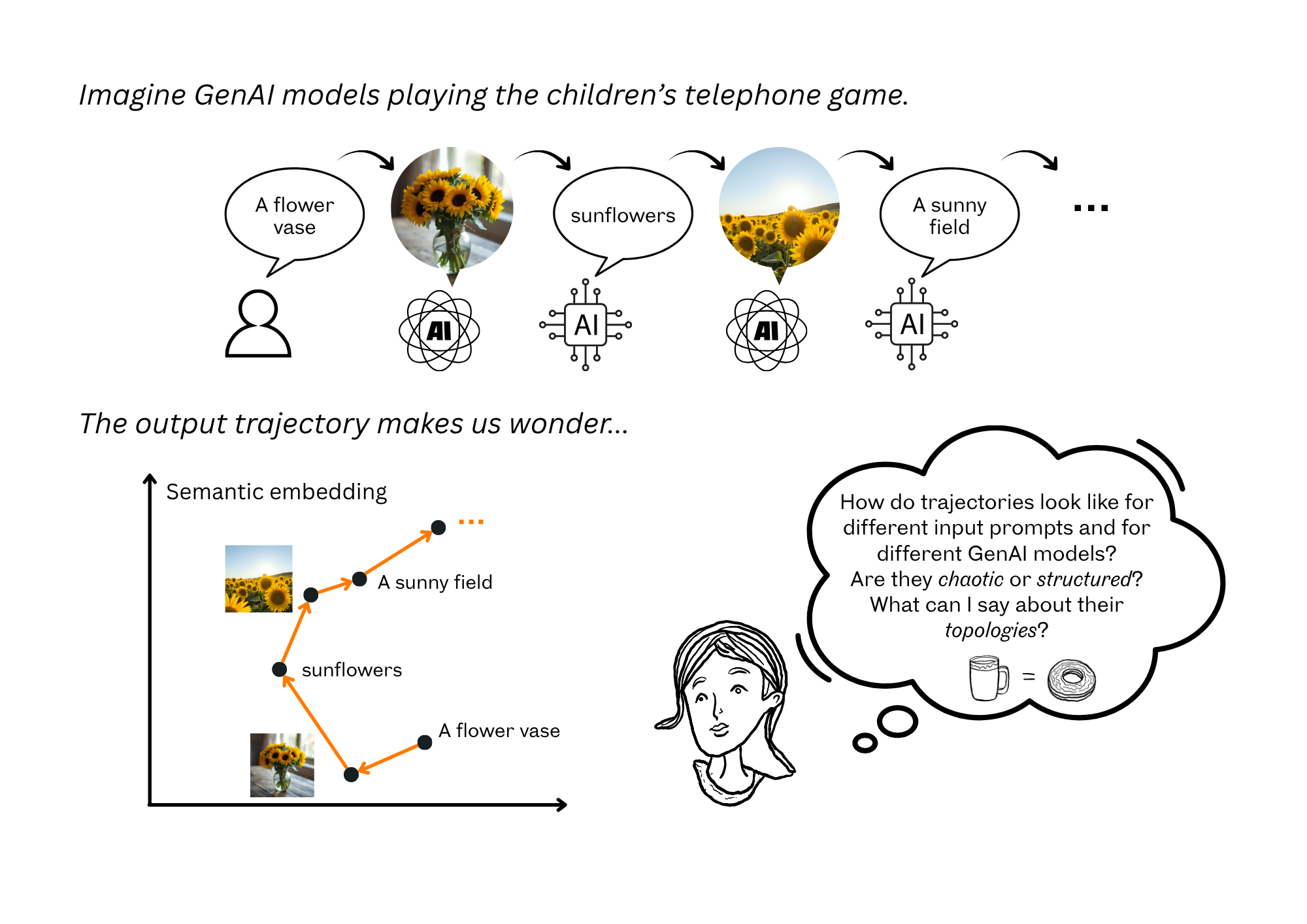
Information Dynamics
How information, meaning, and knowledge evolve through communication, feedback, and human–AI interaction.
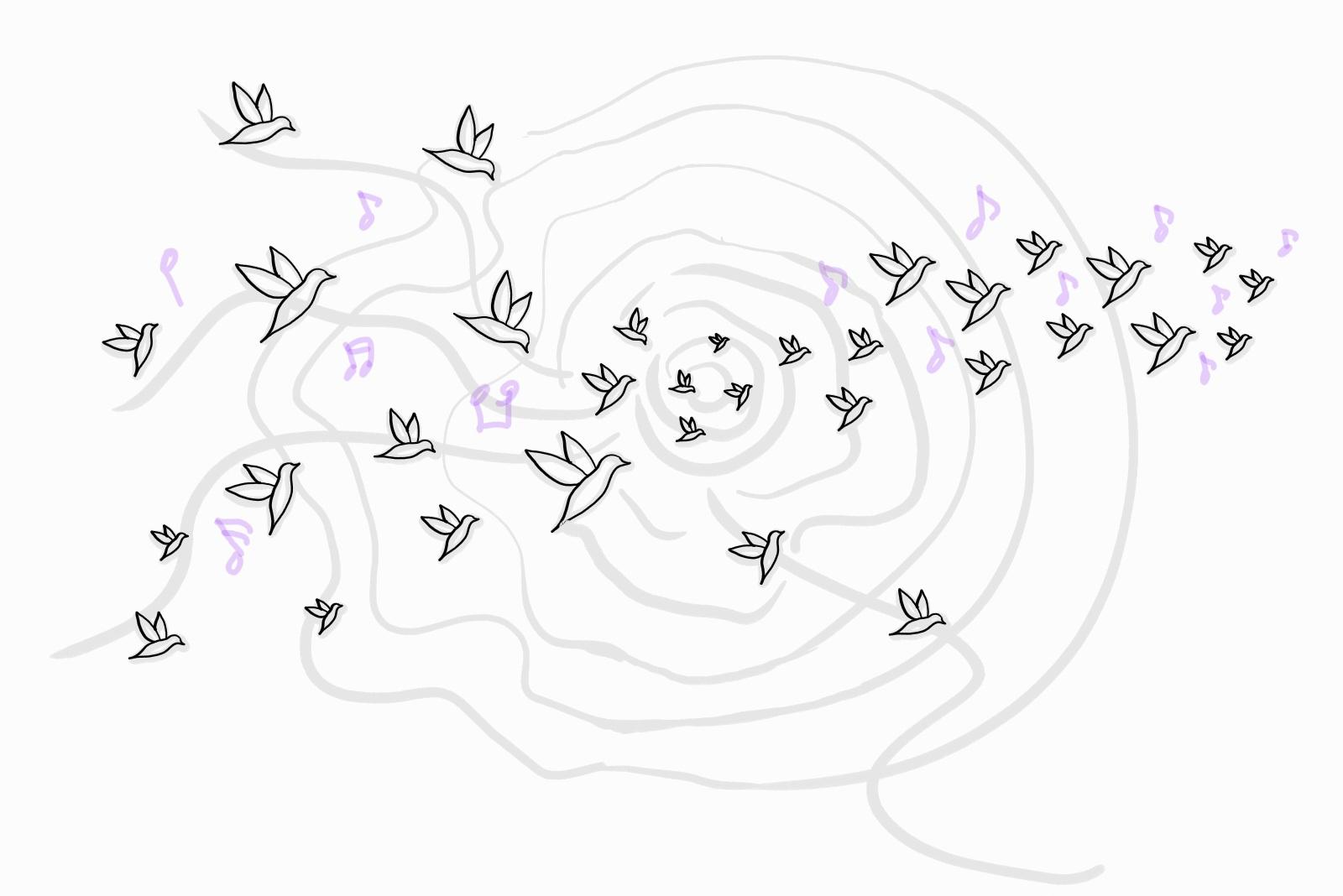
Embodied Complexity
How self-organisation, adaptation, and collective behaviour can be experienced through interactive systems and creative media.